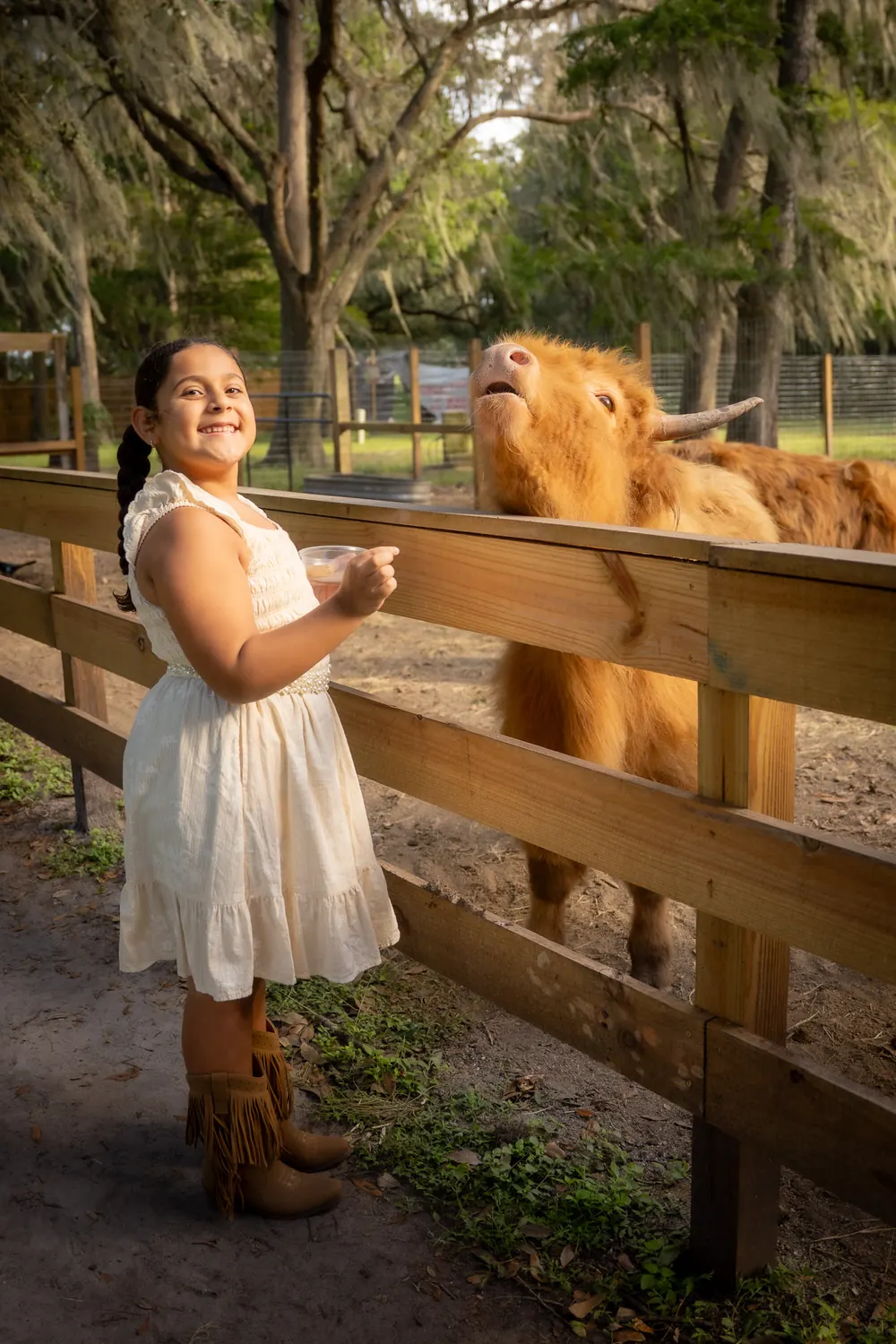
Highland cows look like they were designed for a children's book: long shaggy coats, a fringe of hair over the eyes, and a calm, slow way of moving. Then you notice the horns. So which is it? Gentle giant, or something to keep your distance from?
Highland cows are generally calm, docile and tolerant of people, which is a big part of why they have become so popular. They are still cattle with horns, though, so the safest and most rewarding way to meet one is with a guide who knows the herd, moving slowly and staying where the cow can see you.
What Highland Cow Temperament Is Really Like
Highlands have a long reputation for a quiet, easygoing nature. Farmers who raise them often describe them as more docile than many other beef breeds, and visitors are regularly surprised by how relaxed they are around people. They are curious, they like routine, and many will happily stand still for a scratch.
Part of that calm comes from how they live together. Highland herds settle into a clear pecking order based on age and size, and researchers have noted that a stable hierarchy reduces fighting within the herd. Less squabbling among the cows means a calmer group for people to be around.
That said, every animal is an individual. Most Highlands are mellow. A few are shy, and occasionally one is pushy. That is why good farms match guests with animals that enjoy people, and why our team at Mini Moo Land guides every interaction.

Are Highland Cows Dangerous?
Highlands are not an aggressive breed, but any animal that weighs several hundred pounds deserves respect. The real risks around cattle are usually not about meanness at all:
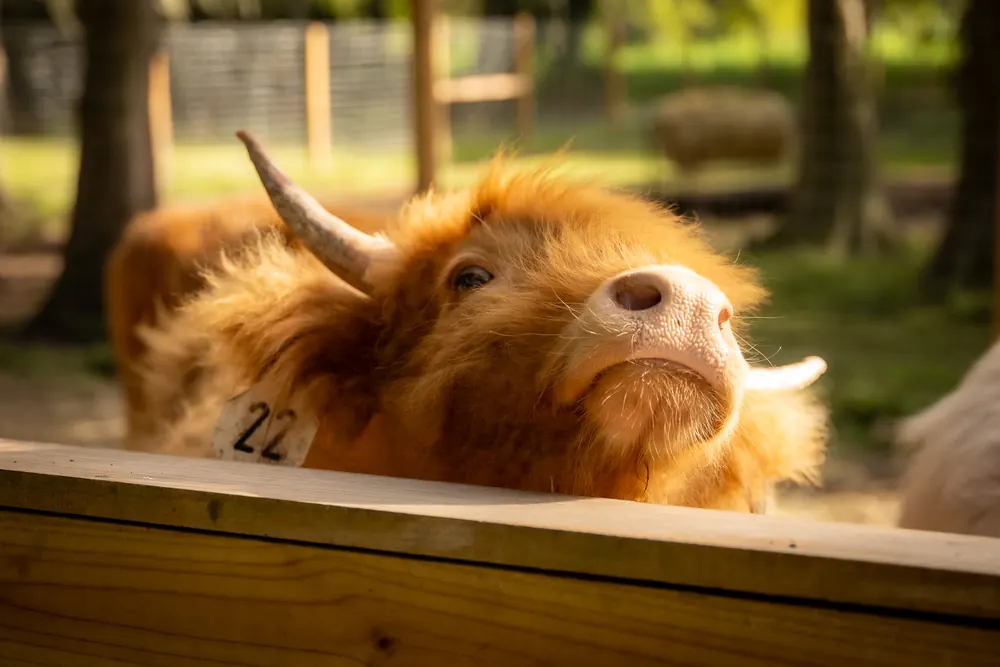
- Horns and head swings. Both male and female Highlands grow horns. A cow swinging her head to flick away a fly can bump you without meaning to, so keep your face and body out of horn range.
- Protective mothers. A cow with a new calf can be protective. Never get between a mother and her calf.
- Surprises. Cattle can startle at sudden movements or loud noises, especially if you appear from behind them.
None of this means you should be nervous. It just means you should follow the lead of the people who care for the herd every day.
Why Do Highland Cows Have Horns?
Horns are part of the breed. Both cows and bulls grow them, and they tend to sweep outward and upward, with bulls' horns usually heavier and more forward-facing. In the wild hills of Scotland, horns helped cattle defend themselves and push through undergrowth. Today they are also used to scratch an itch and to sort out who eats first. Highland calves are not born with visible horns. Small horn buds appear in the first weeks and months of life.
What About The Bangs?
That signature fringe of hair over the eyes is called a dossan. It helps protect a Highland's eyes from rain, wind and insects. And yes, they can see through it. It works a little like a curtain, so cattle still spot movement easily, though it is one more reason to approach where they can see you coming.
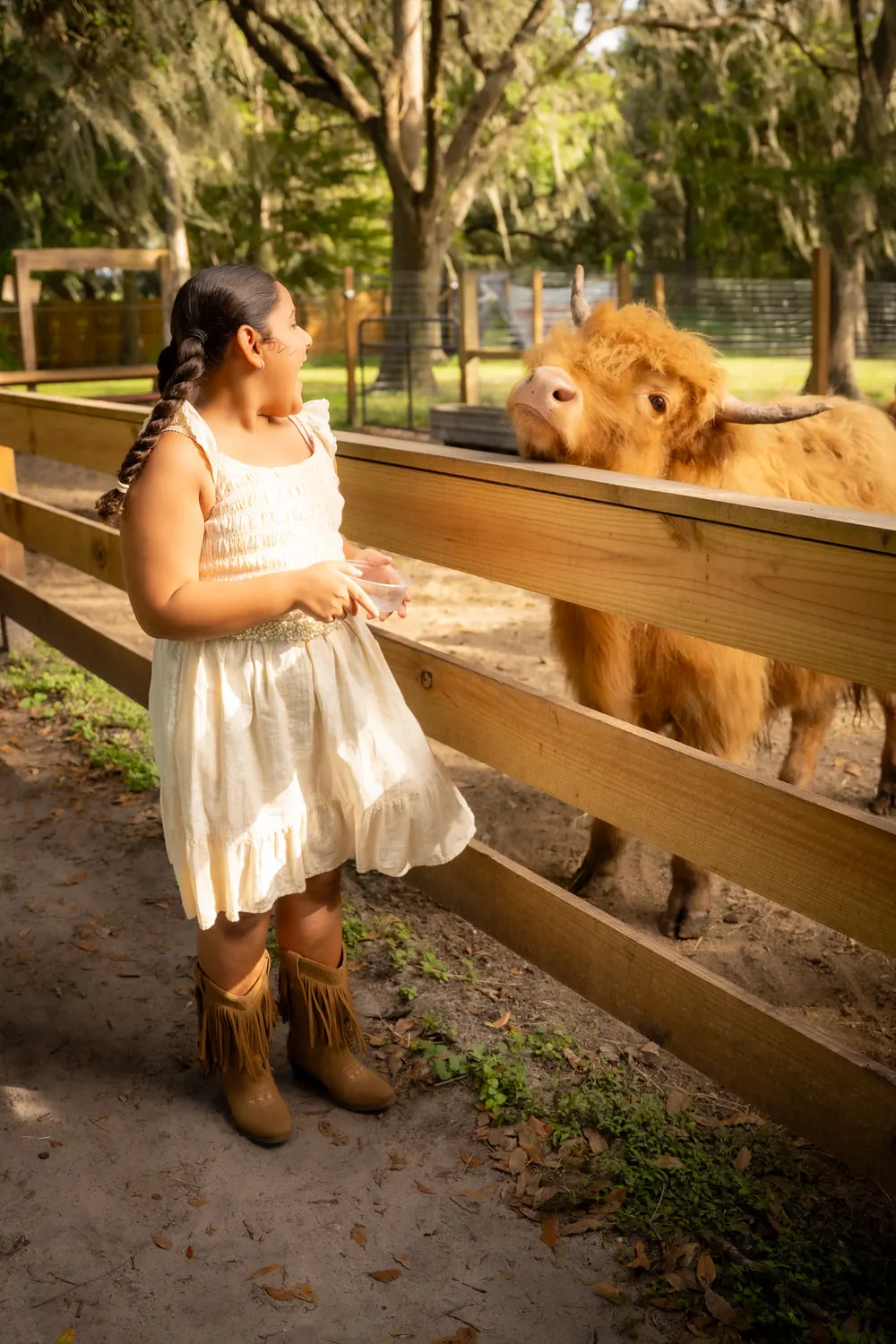
How To Pet A Highland Cow (The Way They Like It)
- Approach from the front or side. Cattle have a wide field of view but a blind spot directly behind them. Never walk up from behind.
- Move slowly and speak softly. Calm people make calm cows.
- Let them sniff your hand first. Offer the back of your hand low and still, and let the cow come to you.
- Go for the neck and shoulders. Many cattle love a scratch along the neck. In one well-known study, researchers in Austria found that cows stroked on the lower neck showed clear signs of relaxation, stretching their necks out and dropping their ears, with lower heart rates.
- Mind the horns and face. Keep your own face out of the way of the horns, and avoid patting the face or eyes.
- Follow the staff. They know which animals love attention and when one needs a break.
Are Highland Cows Good With Kids?
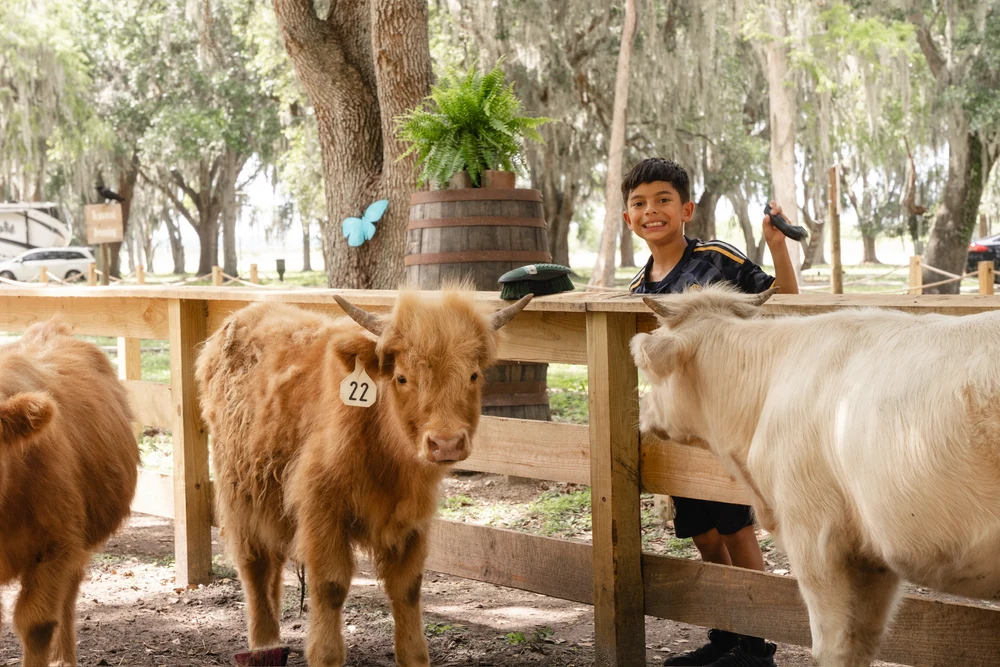
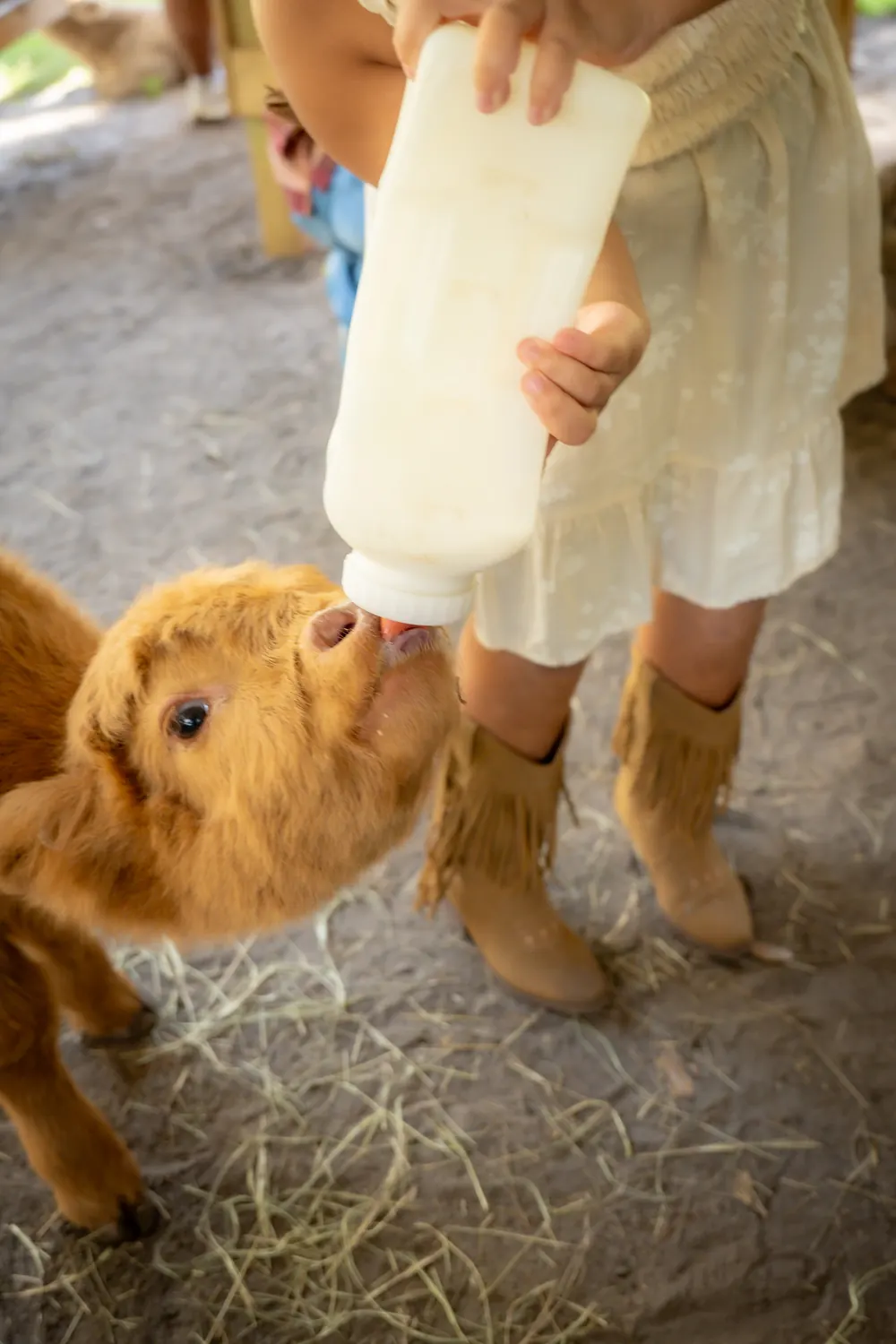
With supervision, yes. Highlands are one of the most popular breeds for farm visits and petting experiences because of their calm nature. Children should always stay with an adult, keep their hands visible and low, and listen to the animal care team. At Mini Moo Land, families with kids of all ages pet, cuddle and hand-feed the herd every day, and our baby calves are a big favorite at bottle-feeding time.
Make It A Boggy Creek Day
Mini Moo Land is one stop inside Boggy Creek Airboat Adventures, a Tripadvisor Travelers' Choice park with more than 9,000 reviews. After you meet the herd, the rest of the park is right there:
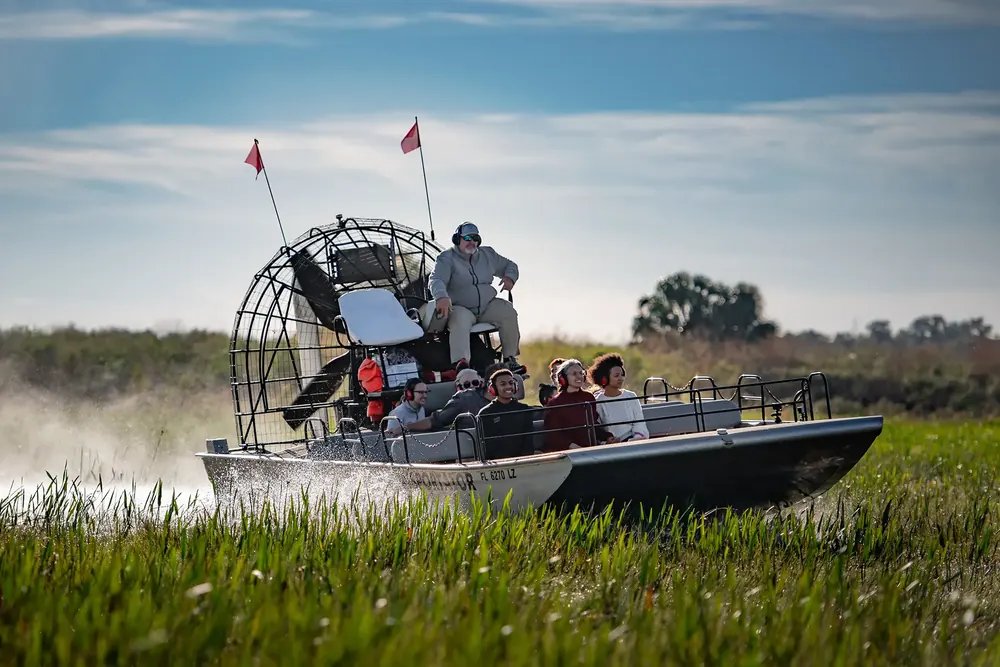
- Ride an airboat through the headwaters of the Everglades and look for wild alligators, turtles and wading birds. Choose a one-hour tour, a sunset tour or a night tour under the stars.
- Dig for gems at the 70-foot Prospector Gem Mine, where kids sift for semi-precious stones, fossils and crystals.
- Walk through Lily's Butterfly Garden and its native butterflies and plants.
- Visit the Gator Pond.
- Eat lakeside at Boggy Bottom BBQ.
The easiest way to do it all is the 1-hour airboat ride and Mini Moo Land combo, which costs $10 less than booking both separately.